|
|
How Industrial Concrete Contractors Handle Complex Business Projects
|
Industrial concrete contractors Eugene OR manage complex projects by meticulously planning each phase and coordinating specialized teams. They start by evaluating site conditions and guaranteeing compliance with regulations. You’ll find them using advanced equipment like high-capacity mixers and concrete pumps for efficiency. They implement phased pouring and curing techniques to secure uniform strength in structures. Quality assurance is a priority, with thorough inspections of materials and the final finish. Clear communication among all stakeholders keeps everything transparent, fostering timely completion and durability. As you explore further, you’ll uncover additional strategies that secure long-lasting project success. 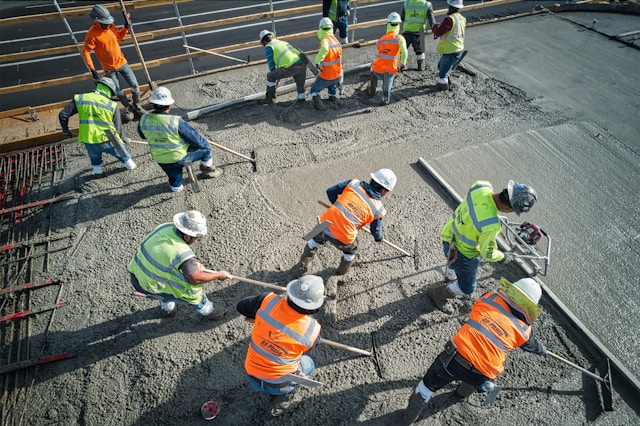 IntroductionWhen tackling complex industrial concrete projects, it is critical to understand that meticulous planning is the cornerstone of success. You’ll need to invest considerable time in industrial concrete project planning to guarantee all aspects are covered before the work begins. Start by defining the project scope, aims, and necessary resources. Carefully assess site conditions, as these factors will influence project timelines and methodologies. Next, create a detailed timeline that outlines each phase of the project. This will help you stay organized and proactive in addressing any potential delays or issues. Coordination with architects and engineers is vital, so establish clear communication channels early on. Identify your team and their roles, making sure they each understand their responsibilities and the overall project objectives. Don’t overlook obtaining necessary permits and adhering to local regulations in your planning phase, as these can affect both the start date and operational efficiency. Finally, set up a quality assurance strategy that includes regular inspections and tests. By prioritizing industrial concrete project planning, you’ll position your team for success, leading to a smoother execution and ultimately a durable and compliant concrete installation. Challenges: large-scale pours, tight deadlines, site logistics, and code complianceIn maneuvering the complexities of large-scale pours, tight deadlines, site logistics, and code compliance, you’ll often encounter significant challenges that require strategic management. For industrial concrete contractors Eugene, tackling large-scale pours necessitates meticulous planning to guarantee that the mix is prepared efficiently, keeping a close eye on environmental conditions that could affect the curing process. Tight deadlines add another layer of pressure. You’ll need to coordinate with various teams, from suppliers to inspectors, assuring that everyone adheres to the timeline without sacrificing quality. This proactive approach is crucial to keep the project on track. Site logistics also play a critical role; confirming that materials and equipment are in the right place, at the right time, is key to minimizing downtime. You might find yourself juggling multiple deliveries while managing space restrictions and traffic flows. Lastly, code compliance mustn’t be overlooked. Understanding local regulations in Eugene is fundamental, as failing to meet these standards can lead to costly delays or redesigns. By prioritizing communication and leveraging expert knowledge, you can navigate these challenges effectively, guaranteeing successful project completion. Specialized equipment: mixers, pumps, and cranes for efficient handlingManeuvering the complexities of large-scale concrete projects necessitates the use of specialized equipment like mixers, pumps, and cranes to guarantee efficient handling and quality results. As a commercial concrete contractor in Eugene, OR, you’ll want to use high-capacity concrete mixers that assure consistent and thorough mixing of materials. This not only speeds up production but also maintains the integrity of the concrete. Concrete pumps are crucial for transporting the mixture to hard-to-reach areas, allowing for timely pours with minimal disruption. Investing in boom pumps can cover substantial distances, facilitating greater flexibility in your site layout. Maintaining a steady flow helps uphold productivity and supports adherence to project timelines. Crane systems are equally essential, particularly for lifting heavy loads and setting forms accurately. They can greatly enhance your crew’s efficiency by reducing manual handling of materials, which is especially critical in tight deadlines. By leveraging these specialized tools, you’re set to optimize workflow, reduce labor costs, and enhance safety on-site. Consequently, your decisions in equipment selection can profoundly impact project outcomes and fortify your reputation in Eugene’s competitive marketplace. Reinforced concrete design for load-bearing and heavy equipmentReinforced concrete design plays an important role in accommodating load-bearing structures and heavy equipment for industrial projects. You’ll find that this design method enhances the durability and strength of concrete, making certain it can handle substantial weight and stress without compromising safety. When planning your project, it is vital to work closely with experts who can assess the specific load requirements. They’ll consider factors like the equipment’s weight, operational load, and environmental influences. This analysis guides the selection of appropriate reinforcement materials, typically steel rebar or fibers, which help improve tensile strength. Additionally, employing precise calculations during the reinforced concrete design phase is significant. You’ll need to account for load distribution, support locations, and potential dynamic forces from heavy machinery. Utilizing advanced software and modeling techniques can aid in visualizing the structure’s performance under projected conditions. Incorporating these details not only assures compliance with building codes but also minimizes future repairs and downtime. By prioritizing a well-executed reinforced concrete design, you can optimize your installation for safety and longevity, creating a robust foundation capable of withstanding operational challenges. Phased pouring and curing to ensure uniform strengthCareful planning doesn’t stop with reinforced concrete design; it extends into the implementation phase, particularly with phased pouring and curing techniques. When you’re faced with a large-scale project, managing the sequence of phased concrete pours becomes essential to achieving uniform strength across the entire structure. Each phase is strategically timed, allowing the previous section to cure adequately before starting the next. This method isn’t just about pouring concrete; it involves meticulous attention to the curing process. As different sections cure, monitoring temperature and moisture levels guarantees the integrity of the concrete remains intact. If conditions vary between pours, you risk weak spots developing, compromising the entire structure’s strength. By utilizing phased pouring, you create a controlled environment where each batch can cure under ideal conditions. Additionally, this phased approach minimizes the risk of thermal cracking, particularly on larger slabs exposed to fluctuations in weather. This precision in execution helps maintain the uniformity of strength throughout the project, guaranteeing your concrete meets the necessary loads and durability standards. Ultimately, phased pouring and curing set the foundation for a robust and long-lasting structure, reflecting your commitment to quality. Project management: planning, scheduling, and crew coordinationHow do industrial concrete contractors effectively manage complex projects? Through robust project management tactics that prioritize planning, scheduling, and crew coordination. Initially, they develop a detailed project plan, outlining each phase of the commercial concrete project management process. This plan includes timelines, resource allocation, and specific milestones, ensuring everyone’s on the same page. Next comes scheduling, where contractors create a clear timeline that aligns with project phases. They consider weather conditions, material availability, and subcontractor commitments, allowing for realistic deadlines. By updating schedules regularly and communicating adjustments, they keep projects on track and reduce potential delays. Lastly, crew coordination is essential. Contractors assemble specialized teams and assign roles based on each member’s expertise. Daily briefings enhance teamwork, ensuring everyone understands their responsibilities and the overall project objectives. Furthermore, implementing a system of checks and updates helps identify any issues early, allowing you to address them promptly. Quality assurance: inspecting materials, pour, and finishEffective project management sets the stage for high-quality outcomes in industrial concrete projects. To verify you’re delivering quality-assured concrete services, it’s vital to conduct thorough inspections of materials before the pour. You’ll want to confirm that the aggregates, cement, and additives meet the specified standards, as subpar materials can lead to long-term issues. During the pour itself, maintaining close supervision is essential. You’ll need to monitor factors like temperature, humidity, and the timing of each phase to assure ideal conditions for curing. An organized approach to this stage will prevent inconsistencies that could compromise structural integrity. Once the pour is complete, the finishing touches must also undergo rigorous inspection. You’ll assess the surface texture, alignment, and joint placements for any imperfections. Adopting a proactive stance means addressing any concerns immediately, which helps uphold your commitment to quality assurance. Stakeholder coordination with owners, engineers, and authoritiesThroughout the project’s lifecycle, coordinating with stakeholders such as owners, engineers, and local authorities is crucial for guaranteeing smooth operations and compliance. As concrete contractors in Eugene, OR, you’ll find that effective communication plays a key role. Begin by establishing a clear line of communication with all stakeholders. Schedule regular meetings to discuss project milestones, address concerns, and adjust timelines. When working with engineers, it’s important to review the design specifications thoroughly to verify alignment with construction capabilities. This helps in avoiding delays and rework later on. Owners need to stay informed about the progress and any potential challenges, so provide them with updates that highlight both successes and areas needing attention. Don’t overlook local authorities either. Securing permits and maintaining compliance with zoning laws can be a lengthy process. Being proactive in engaging these officials guarantees you’re on their radar, concrete paving Eugene Oregon the way for faster approvals. Ultimately, a well-coordinated approach between owners, engineers, and authorities not only streamlines the construction process but also enhances the overall success of your industrial concrete projects. Benefits: on-time completion, durability, safety, and optimized site useOn-time completion, durability, safety, and optimized site use are key benefits that industrial concrete contractors bring to business projects. You can count on these contractors to keep your project on schedule. With their thorough planning and resource management, they minimize delays and streamline timelines effectively. Durability is another significant advantage. Experienced concrete contractors guarantee that your project stands the test of time through high-quality materials and reinforced designs. They understand your need for structures that can withstand heavy usage and environmental factors. Safety is paramount in industrial projects. When you hire a concrete contractor near me, you’re bringing onboard a team that prioritizes compliance with safety regulations. Their rigorous quality checks and adherence to codes help create a safer work environment, reducing the risk of accidents and liabilities. Lastly, optimized site use means maximizing every inch of your project area. Skilled contractors implement strategic layouts and phased pours, ensuring efficient workflow and site management. This attention to detail not only saves time but also makes the best use of resources, giving you peace of mind as your project progresses smoothly. ConclusionChoosing the right industrial concrete contractor can be the difference between a project that runs smoothly and one fraught with delays and issues. With their expertise, these contractors guarantee efficient concrete construction by meticulously planning each phase of your project. They utilize specialized equipment and techniques to deliver results that meet both your standards and industry regulations. Your contractor’s proactive approach ensures that every detail is addressed. They perform ongoing quality checks and employ reinforced concrete design to enhance durability, minimizing the risk of future repairs. This focus on reliability means you can trust that your structure will stand the test of time. Moreover, effective communication throughout the project keeps you informed, allowing for adjustments and improvements as needed. By optimizing site use and adhering to tight deadlines, industrial concrete contractors help you maintain productivity without unnecessary downtime. In the end, by choosing a skilled contractor, you’re not just investing in a structure but also in peace of mind, knowing your project is in good hands. Efficient, reliable, and long-lasting concrete projects are achievable with the right expertise, and your contractor is key to realizing this potential. |
|