|
|
Durability Matters: Choosing the Right Concrete Mix for Large Projects
|
When choosing a concrete mix for large projects, durability is paramount. You’ll want to focus on the water-to-cement ratio, typically between 0.4 and 0.6, to balance strength and workability. High-quality aggregates are essential; their size and texture affect performance under heavy loads. Select the right cement type based on environmental conditions, ensuring resistance to moisture or chemical exposure. Don’t overlook additives; they can enhance workability and durability. Expert guidance can greatly improve mix selection tailored to your project’s needs, ultimately reducing maintenance costs. There’s much more to explore about optimizing your concrete for long-lasting results. 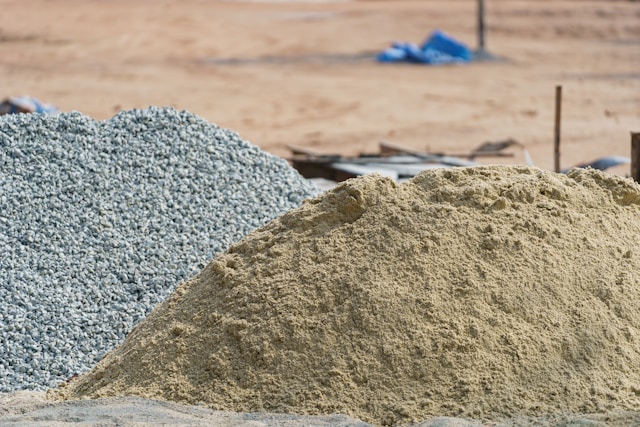 IntroductionWhen it comes to large-scale commercial and industrial projects, the significance of selecting the right concrete mix can’t be overstated. The correct concrete mix selection is essential to achieving desired performance characteristics such as strength, durability, and overall efficacy. A poor choice can lead to costly repairs and maintenance, potentially undermining the project’s success. In large projects, you’ll need to evaluate several factors. These include the type and size of aggregates, the type of cement, and any necessary additives tailored to specific applications. For instance, choosing a high-strength mix might be critical for heavy-load-bearing structures, while a weather-resistant mix might be required for exposed surfaces. Additionally, you should account for varying environmental conditions and the expected lifespan of the structure. By carefully analyzing these factors, you can mitigate risks associated with concrete performance, ensuring long-term stability and compliance with industry standards. Ultimately, the right concrete mix selection can enhance the aesthetic value and functionality of your project, facilitating smoother operations and further investment in your infrastructure. Understanding these elements enables you to make informed decisions in the complexities of large-scale construction. Water-to-cement ratio: achieving optimal strength and workabilityAchieving the right water-to-cement ratio is essential for balancing strength and workability in concrete mixes. When you manipulate this ratio, you’re directly impacting the hydration process of cement, which in turn influences both the final strength of the concrete and its handling characteristics. A lower water-cement ratio typically results in greater compressive strength and durability, as it leads to denser concrete; however, it can compromise workability, making it harder to mix, place, and finish. Conversely, a higher water-cement ratio enhances workability but risks reducing strength and increasing porosity, leading to potential long-term issues such as cracking or reduced resistance to environmental elements. For best results, you’ll want to aim for a water-cement ratio that considers your specific project requirements, including load-bearing conditions and environmental exposure. In practice, a water-cement ratio of approximately 0.4 to 0.6 is often recommended for structural applications, but adjustments may be necessary based on your unique needs. Fine-tuning this ratio will set the foundation for achieving a durable and resilient concrete mix tailored for large-scale projects. Aggregate quality: selecting durable materials for heavy loadsSelecting the right aggregates is vital for guaranteeing that your concrete mix can withstand heavy loads and harsh conditions. The quality of the aggregates you choose directly influences the performance and durability of the concrete. Start by analyzing the aggregate’s size, shape, and texture, as these factors impact workability and bonding within the mix. It’s essential to select clean, durable aggregates that meet specifications for your project. Consider the material’s hardiness; for heavy loads, opt for crushed rock or gravel with a high compressive strength. Recycled aggregates can also be a viable option, provided they’re free from contaminants and meet the required standards for aggregate quality concrete. Additionally, evaluate the moisture content of aggregates. Excess moisture can lead to reduced strength and increased shrinkage, compromising your structure’s integrity. Always perform thorough tests to determine aggregate properties, including density, absorption, and gradation, to guarantee compatibility with your mix design. Using high-quality aggregates will not only enhance the mechanical properties of the concrete but also promote long-term sustainability, reducing the need for extensive maintenance in the future. Cement type: matching project needs and environmental conditionsThe type of cement used in your concrete mix can greatly impact its performance and longevity, particularly under specific environmental conditions. Selecting the right cement type for industrial projects is essential for ensuring the concrete can withstand various stresses, including chemical exposure, moisture, and temperature fluctuations. For instance, Portland cement is commonly used due to its versatility and strength, but you might consider expansive cements if you’re in a high-moisture environment. On the other hand, sulfates in soil or groundwater can necessitate sulfate-resistant cement to prevent deterioration and structural failure. Moreover, if you’re working in extreme temperatures, you’ll need a cement that can endure thermal expansion and contraction without cracking. High alumina cement may be suitable for environments requiring rapid setting times. In addition, aligning your cement choice with the specific demands of heavy machinery, foot traffic, or chemical exposures present in industrial settings will further enhance durability. Ultimately, understanding the local environmental conditions and how they interact with various cement types will aid you in making informed decisions, ensuring that your concrete mix meets both immediate project needs and long-term performance expectations. Additives and admixtures: improving workability and durabilityWhile choosing the right cement type is essential for concrete performance, incorporating concrete additives and admixtures can considerably enhance the workability and durability of your mix. These materials serve specific functions to improve the handling and longevity of concrete in various conditions. For instance, plasticizers reduce water content while maintaining workability, allowing for a denser mix. This is vital for large projects requiring intricate placements or high-strength applications. On the other hand, superplasticizers can further enhance flowability, reducing the need for excessive vibration during placement. Additionally, incorporating additives such as silica fume or fly ash can notably improve durability by increasing resistance to chemical attacks and enhancing the concrete’s overall strength. These materials fill voids and reduce permeability, effectively mitigating water ingress that can lead to deterioration over time. When you choose the appropriate concrete additives and admixtures, you’re not just investing in a mixture that’s easier to work with; you’re ensuring the sustainability and longevity of your structure. By tailoring your mix with these enhancements, you make a strategic decision that’ll pay off in performance and maintenance savings down the line. Curing methods: ensuring proper strength developmentCuring plays a vital role in guaranteeing the proper strength development of concrete, as it allows for hydration and the chemical processes necessary for solidifying the mixture. Without adequate curing, hydration can be incomplete, leading to a weaker final product. When you’re working on large commercial projects, employing effective commercial concrete curing techniques is indispensable. There are several methods to take into account. Water curing, often accomplished through continuous spraying or soaking, guarantees moisture retention, promoting ideal hydration. Alternatively, membrane-forming curing compounds can be applied to the surface, creating a barrier that minimizes evaporation. Both techniques prevent premature drying, which is significant in warm and windy conditions where moisture loss can occur rapidly. Moreover, curing blankets can be beneficial during cold weather to maintain temperatures conducive for hydration. It’s also vital to maintain curing for the appropriate duration; typically, this spans at least 7 days for most mixes to achieve desired compressive strength. Fundamentally, the right curing approach not only enhances strength development but also contributes to the overall durability and performance of your concrete structures. Prioritize these techniques to maximize the benefits of your chosen concrete mix. Expert guidance from commercial concrete contractors Eugene ORHow can you assure that your concrete project meets the highest standards of quality and performance? The answer lies in leveraging the expertise of professional concrete contractors Eugene OR. These specialists bring a wealth of knowledge regarding the complexities of concrete mixes tailored to specific project needs. They can assess factors like local climate conditions, load requirements, and exposure to chemicals, ascertaining you choose a mix that aligns with your project’s specific demands. Moreover, professional contractors possess firsthand experience with various aggregate types and additives that enhance performance in large projects. They can guide you in selecting the ideal water-to-cement ratio, vital for achieving desired strength and durability. By conducting thorough testing before deployment, they guarantee that the mix adheres strictly to industry standards. Additionally, communication and collaboration with these experts from the outset can greatly impact your project’s success. They can identify potential pitfalls and suggest modifications to avoid costly issues, assuring that your investment pays off long-term. By employing the guidance of seasoned professionals in Eugene, you’re not just assuring compliance but setting your concrete project on the path to excellence. Benefits: enhanced durability, structural integrity, and weather resistanceThe right concrete mix greatly enhances durability, structural integrity, and weather resistance, directly impacting the longevity of your project. When you select a mix designed for durability, you create concrete that can withstand various stresses—ranging from heavy loads to environmental factors. Using high-quality aggregates and optimizing the water-to-cement ratio guarantees cohesive bonds, minimizing the risk of cracking or degradation over time. Durable concrete slabs are critical for any large project, particularly in industrial applications where heavy machinery and constant foot traffic are common. Enhanced structural integrity means that the concrete can handle these loads without compromising performance or safety. You also need to take into account additives that improve resistance to freeze-thaw cycles and chemical exposure, which can notably shorten the lifespan of standard mixes. Weather resistance is another key advantage of a well-chosen concrete mix. In regions with extreme temperatures, using weather-resistant formulations protects your investment from the elements. To summarize, focusing on these attributes during the selection process can lead to robust, reliable, and lasting results for your project, ultimately guaranteeing that your durable concrete slabs meet the demands of their intended use. Cost efficiency: reducing maintenance and premature replacementWhen you’re investing in a large-scale concrete project, it’s vital to take into account cost efficiency alongside durability and performance. The right commercial concrete mix in Eugene can greatly influence long-term costs. By selecting a mix tailored to the specific conditions of your project, you can minimize the risk of structural issues that lead to costly maintenance or premature replacement. Choosing high-quality aggregates and optimizing the water-to-cement ratio are indispensable. A properly formulated mix can resist environmental stressors, thereby reducing the frequency of repairs and prolonging the lifespan of your concrete structures. Regular maintenance might seem trivial, but costs can add up quickly if the materials don’t perform as expected. Moreover, incorporating suitable additives may enhance your concrete’s properties without dramatically increasing the initial cost. This strategic investment leads to better cost efficiency and broader savings over time. In conclusion, by prioritizing a precise commercial concrete mix in Eugene that meets both performance and durability needs, you’ll not only decrease maintenance costs but also avoid the premature replacement of important infrastructure components. Ultimately, this thoughtful approach guarantees the longevity and viability of your large-scale project. ConclusionSelecting the right concrete mix is essential for ensuring the long-lasting reliability of industrial projects. You must consider the ideal water-cement ratio, as this critical factor directly influences the strength and durability of your concrete. A lower ratio generally enhances compressive strength, reducing the risk of cracking and improving overall performance under load. Incorporating the right aggregates and additives also plays a significant role in achieving durability. Well-graded aggregates can enhance workability and reduce voids, leading to a denser final product. Additionally, using chemical admixtures can improve resistance to weathering and shrinkage, further securing the integrity of your concrete over time. Don’t overlook the importance of controlled curing methods, which help to maintain hydration and prevent premature drying. Consistent curing practices can dramatically increase the lifecycle of concrete surfaces, making them more reliable for industrial applications. |
|